
Release time:Sep 28,2026
Click amount:'183
By:Guangdong Richeng Technology Industry Co., Ltd
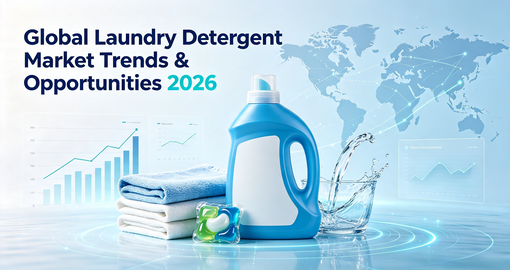
The global home care landscape is evolving faster than at any point in the past decade. For strategic distributors, understanding where the laundry detergent market is heading — not just where it has been — determines which product lines deserve shelf space, marketing budget and long-term supplier partnerships.
In 2026, several structural shifts are converging: tightening environmental regulations across the EU and parts of Asia-Pacific, accelerating private label penetration in mature retail markets, and a clear consumer migration from traditional powder formats toward liquid, concentrated and specialty formulations. Distributors who adapt their assortments early can capture disproportionate share in high-margin segments, while those who rely on generic, low-cost stock risk being squeezed on both price and compliance.
This guide synthesizes data from leading market research firms — including Mordor Intelligence, Fortune Business Insights and Future Market Insights — to map the current size, growth trajectory and most attractive sub-categories of the laundry detergent market in 2026. It also provides a regional opportunity breakdown and actionable sourcing recommendations for distributors building or expanding their laundry care portfolio.
Global Laundry Detergent Market: Size & Growth Trajectory
The broader laundry care category — which includes detergents, fabric softeners, stain removers and specialty additives — was valued at approximately USD 118–122 billion in 2026, according to Fortune Business Insights and Future Market Insights. Within this, the detergent segment alone accounts for the majority share. According to Mordor Intelligence, the global laundry detergent market is estimated at around USD 107.5 billion in 2026 and is forecast to reach approximately USD 134.4 billion by 2031 at a compound annual growth rate (CAGR) of approximately 4.6%. (Source: Mordor Intelligence, Laundry Detergents Market Report, July 2026; Fortune Business Insights, Laundry Care Market, July 2026; Future Market Insights, Laundry Care Market, February 2026.)
While a mid-single-digit CAGR may appear modest compared with high-growth consumer categories, the absolute revenue addition is substantial — roughly USD 27 billion in incremental market value over five years. For distributors, this means even a small share gain in a fast-growing sub-segment can translate into meaningful top-line growth.
Several factors underpin this steady expansion:
• Population growth and urbanization in emerging markets increase the total number of households with access to washing machines.
• Rising hygiene awareness, accelerated by post-pandemic behavioral shifts, sustains demand for effective fabric cleaning.
• Premiumization in mature markets lifts average selling prices as consumers opt for specialized, scented and eco-labeled products.
• Format innovation — liquid concentrates, pods and refill systems — creates new purchase occasions and higher per-wash value.
The market concentration remains medium, meaning no single manufacturer dominates globally. This creates ongoing room for regional distributors and private label brands to build defensible positions through localized assortment, pricing and supplier relationships.
Five Defining Trends Reshaping the Laundry Detergent Market in 2026
1. Eco-Friendly Formulations Move from Niche to Mainstream
The eco-friendly laundry segment is growing faster than the overall detergent category in several market forecasts. Stratistics MRC estimates the global eco-friendly laundry market at USD 4.5 billion in 2026, with the market forecast to reach USD 10.2 billion by 2034 at a CAGR of 10.7% during the forecast period — more than double the growth rate of the conventional detergent segment. (Source: Stratistics MRC, Eco-Friendly Laundry Market, August 2026.)
Drivers include stricter chemical regulations in the EU, growing retailer sustainability requirements, and consumer willingness to pay a modest premium for plant-derived, phosphate-free and biodegradable formulations. Environmental considerations, retailer sustainability requirements and demand for concentrated formulations are increasing attention on lower-impact laundry products across mature markets.
Distributor implication: For many supermarket and e-commerce channels, offering at least one eco-positioned SKU can strengthen portfolio competitiveness. Distributors should verify that suppliers can provide ingredient disclosure, biodegradability test data and phosphate-free formulation documentation.
2. Multi-Size and Compact Formats Improve Logistics Efficiency
Concentrated liquid detergents, single-dose pods and compact packaging are gaining share across all major regions. The benefits are twofold: consumers appreciate reduced plastic and easier storage, while distributors and retailers benefit from lower shipping weight per wash load and more efficient shelf density.
Concentrated liquid formats and compact packaging continue to attract attention from retailers and distributors because they can improve storage efficiency and reduce packaging and transport requirements. Major global brands have also updated product lines toward concentrated formulas and packaging with higher recycled content, reflecting the broader industry shift toward compact, sustainable formats.
Distributor implication: Evaluate multi-size liquid SKUs (2L, 5L formats) as core assortment items. They offer better margin per cubic meter in container shipping and align with retailer preferences for space-efficient packaging. Where suppliers can provide verified concentration ratios and dosage-reduction data, concentrated formulations may offer additional logistics advantages.
3. Private Label Penetration Accelerates in Mature Markets
Private label and distributor-owned brands continue to gain ground in North America and Western Europe, driven by retailer margin pressure and improved consumer trust in store-brand quality. In several mature European markets, private label already represents a significant share of laundry care sales.
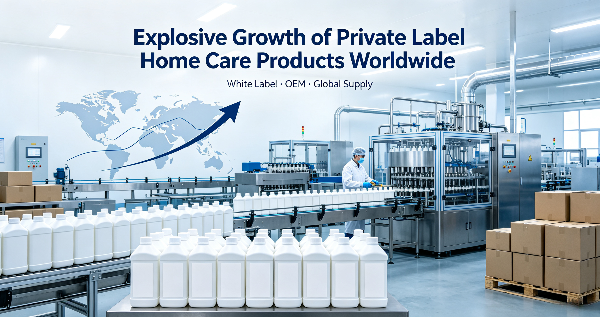
For strategic distributors, this trend represents both a threat and an opportunity. Retailers increasingly seek manufacturing partners capable of flexible minimum order quantities, custom formulation and private label packaging — capabilities that many small traders cannot deliver.
Distributor implication: Partnering with a manufacturer that offers end-to-end OEM/ODM support — from formula tuning to label design and carton printing — allows distributors to launch or expand their own brands without heavy capital investment. Learn more about RCXYY private label laundry & cleaning OEM capabilities →
4. Premiumization and Fragrance Innovation Drive Margin Growth
Consumers in mature markets are trading up from basic detergents to products with enhanced fragrance profiles, fabric care benefits and targeted stain removal. Natural scent lines — lavender, citrus, sea breeze and floral blends — are particularly strong performers, as they bridge the gap between functional cleaning and sensory experience.
Mordor Intelligence notes that organic/natural liquid detergents are expected to grow at the fastest CAGR (approximately 5.2%) within the liquid detergent segment through 2031, reflecting sustained demand for plant-derived fragrances and milder formulations.
Distributor implication: A well-designed scented laundry liquid range (e.g., lavender, jasmine, fresh linen) can serve as a margin anchor in an otherwise price-competitive category. Pair it with a value-tier basic detergent to cover both budget and premium shoppers.
5. Enzyme Technology and Cold-Wash Performance Set New Performance Standards
Enzyme-enhanced formulations are receiving increasing attention because they can support stain removal at lower wash temperatures when the formulation and enzymes are appropriately designed. Bioactive enzymes help break down protein-based stains (food, sweat, blood, milk) at lower water temperatures, potentially reducing energy consumption and improving cleaning performance.
Cold-water wash capability has become a key innovation priority, as residential laundering accounts for significant household energy use during water heating. Distributors serving European and North American markets may consider enzyme-based, cold-water-effective formulations where they align with consumer preferences for lower-temperature washing and energy-conscious laundry routines.
Distributor implication: Request technical specification sheets that confirm enzyme content, recommended wash temperature range and stain-removal test data. These details strengthen your selling position with retail buyers.
High-Growth Sub-Categories: Where Distributors Should Focus
Based on the trends above, four sub-categories offer the strongest combination of growth, margin and accessibility for strategic distributors in 2026:
Sub-Category | Market Signal | Key Driver | Best-Fit Distribution Channel |
Eco-friendly / plant-based detergents | High-growth segment (~10.7% CAGR, Stratistics MRC) | Regulatory tightening, consumer preference | Supermarkets, e-commerce, specialty green retailers |
Multi-size liquid detergents (2L/5L) | Growing format interest | Convenience, storage efficiency, logistics | Hypermarkets, wholesale clubs, online bulk |
Scented laundry liquids | Premiumisation opportunity | Fragrance innovation, sensory experience | Supermarkets, home-care channels |
Enzyme-based detergents | Performance-led segment | Stain removal, lower-temperature washing | Mass retail, online, institutional buyers |
For distributors with limited shelf space or budget, a two-tier strategy works well: one value-tier basic detergent for price-sensitive shoppers, and one premium eco or scented SKU for margin. This mirrors the assortment logic used by leading retail chains and reduces reliance on a single price point.
Note: Market estimates vary depending on whether research providers define the category as laundry detergent, laundry care or the broader home care segment. The figures below should therefore be used as directional sourcing references rather than directly comparable market totals.
Asia-Pacific: Large Market with Strong Growth Potential
Asia-Pacific accounts for approximately 37–40% of global laundry care revenue across multiple research estimates, making it one of the largest regional markets. China alone represents an estimated USD 16.8 billion in 2025, growing at roughly 5.7% annually, according to Cognitive Market Research. Southeast Asia offers some of the highest growth rates, driven by urbanization, expanding middle-class populations and increasing washing machine penetration.
Opportunity for distributors: High-volume, value-tier detergents and fabric softeners remain in strong demand. Scented and eco-formulated products are gaining traction in urban centers.
Europe: Regulation-Driven Premium Segment
Europe generated approximately USD 24.5 billion in 2026. The market is mature but shifting decisively toward eco-friendly, concentrated and biodegradable formulations. Stringent chemical regulations and retailer sustainability commitments make compliance documentation a critical entry requirement.
Opportunity for distributors: Private label eco-detergents, concentrated formats and refill systems. Suppliers should be able to provide relevant ingredient, safety and regulatory documentation required for the intended EU market, with the importer verifying applicable obligations before commercialisation.
North America: Private Label and Premium Coexist
The U.S. laundry care market is projected to reach approximately USD 22.9 billion in 2026. The market features strong competition between national brands and fast-growing private label lines. E-commerce penetration is high, with pods and concentrated liquids performing well online.
Opportunity for distributors: Scented premium liquids, enzyme-based stain removers and value-tier private label detergents. Packaging with recycled content is increasingly expected by major retailers.
Middle East & Africa: Fastest-Growing Region
Mordor Intelligence identifies the Middle East & Africa as one of the fastest-growing regional laundry detergent markets, supported by improving retail infrastructure, population growth and rising disposable incomes. Industry investments in local production capacity — including new detergent manufacturing lines in the Gulf region — underscore the area's growing strategic importance for global brands and distributors alike.
Opportunity for distributors: Affordable powder detergents and value-tier liquids remain dominant, with growing demand for scented and multi-use formats in urban markets.
Latin America: Steady Growth, Value Focus
Latin America shows steady, single-digit growth, with consumers prioritizing value and fragrance. Powder detergents retain significant share, though liquid formats are gaining in urban households.
Opportunity for distributors: Fragrant, cost-effective detergents and fabric softeners with strong local scent preferences (floral, citrus).
Strategic Recommendations for Distributors
Based on the market data and trend analysis, here are five actionable steps for strategic distributors in 2026:
1. Audit your current assortment against growth segments. If your portfolio consists primarily of basic, unbranded powder detergents, you are likely missing margin in the eco, concentrated and scented liquid segments.
2. Prioritize suppliers with formulation flexibility. The ability to adjust fragrance, concentration and ingredient profiles to match regional regulations is a competitive advantage. Look for manufacturers with in-house R&D labs and a track record of market-specific formula adaptation.
3. Build a private label line where retail partners request it. Private label is no longer optional in mature markets. Even a small-batch trial SKU can open conversations with supermarket buyers who are actively expanding store-brand assortments.
4. Optimize container loading for mixed SKUs. Combining laundry detergents with fabric softeners, dishwashing liquids and kitchen cleaners in a single shipment reduces per-unit logistics costs and creates a more complete shelf offering for retail customers. See RCXYY mixed SKU container loading solutions →
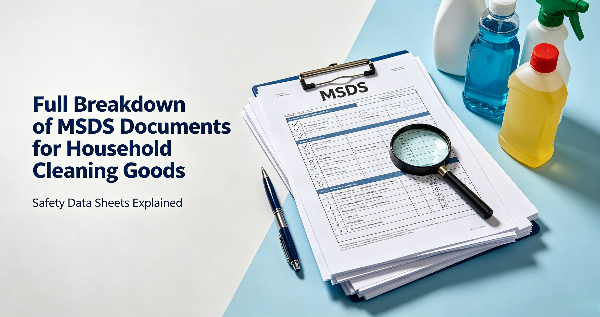
5. Verify compliance documentation before sourcing. In 2026, incomplete or outdated certification files are among the most common causes of customs delays and retail listing rejection. Depending on the destination market and product classification, buyers may require ISO9001 quality management system certification, Safety Data Sheet (SDS, commonly referred to as MSDS) documentation, ingredient information and third-party product testing reports from any supplier they evaluate.
How RCXYY Supports Distributors in the 2026 Laundry Detergent Market
Guangdong Richeng Technology Industry Co., Ltd. (RCXYY) is a full-category cleaning product manufacturer based in Guangdong, China, with over 22 years of export experience. We serve international distributors, supermarket chains and private label brands across multiple overseas markets.
Our capabilities align directly with the market opportunities outlined in this guide:
• Eco-friendly formulation: Phosphorus-free and biodegradable formulation options can be developed for different target-market requirements, subject to product-specific testing and regulatory review.
• Multi-size liquid formats: All-Purpose Lavender Laundry Liquid available in 2L and 5L packaging, plus enzyme-based washing powder with bioactive stain-removal technology.
• OEM/ODM private label support: In-house R&D lab for formula tuning, fragrance customization (jasmine, lavender, sea scent), bottle design, label printing and carton customization, with flexible trial order quantities.
• Mixed SKU container loading: Standardized liquid-and-powder mixed loading with anti-leak protection, allowing distributors to combine laundry, kitchen and surface cleaning products in one shipment.
• Complete export documentation: Unified ISO9001 certification, Safety Data Sheet (SDS) documents and third-party testing reports for all mixed-category orders, helping buyers organise documentation for customs and market-entry procedures.
If you are evaluating your laundry care sourcing strategy for 2026 and beyond, we invite you to review our full product portfolio, factory QC workflow and certification resources at https://www.gdricheng.com/. Contact our export team for product specifications, sample arrangements and customized mixed-category quotations tailored to your regional market.
Q1: What is the current size of the global laundry detergent market?
The global laundry detergent market was valued at approximately USD 107.5 billion in 2026, according to Mordor Intelligence, and is projected to reach USD 134.4 billion by 2031 at a CAGR of around 4.6%. The broader laundry care category (including fabric softeners and specialty products) was valued at approximately USD 118–122 billion in the same year, per Fortune Business Insights and Future Market Insights. (Note: Market estimates vary by research provider and category definition; figures should be used as directional references.)
Q2: Which region offers the highest growth potential for laundry detergent distributors?
Asia-Pacific is both the largest and one of the fastest-growing regions, accounting for roughly 37–40% of global market share. The Middle East & Africa is identified by multiple research firms as the fastest-growing regional market, driven by population growth, urbanization and improving retail infrastructure.
Q3: Which laundry detergent sub-categories are growing fastest in 2026?
Eco-friendly and plant-based detergents lead growth at approximately 10.7% CAGR. Other high-growth segments include concentrated liquid formats, enzyme-based stain-removal detergents and scented premium laundry liquids. These segments outpace the overall market growth of 4–5%.
Q4: What certifications should distributors require from laundry detergent suppliers?
Depending on the destination market and product classification, buyers may require Safety Data Sheet (SDS, commonly referred to as MSDS) documentation, ingredient information, product test reports and other market-specific compliance materials. ISO9001 quality management system certification and third-party testing reports (such as SGS) are also commonly requested. For EU and North American markets, additional ingredient compliance documentation and biodegradability test data may be required by retail buyers.
Q5: Is private label laundry detergent a viable strategy for new distributors?
Yes. Private label penetration continues to grow in mature markets, and many retailers actively seek store-brand laundry products. The key is partnering with a manufacturer that offers flexible minimum order quantities, formula customization and complete packaging design support, allowing you to launch trial batches before committing to large-scale production.
Q6: How can distributors reduce logistics costs when sourcing laundry detergents?
Mixed SKU container loading — combining laundry detergents with fabric softeners, dishwashing liquids and other cleaning products — is one of the most effective ways to reduce per-unit shipping costs. Concentrated formats (2L, 5L) also improve the number of wash loads per container, lowering logistics cost per unit of performance.
Q7: How reliable are global laundry detergent market forecasts?
Market estimates vary between research providers because each report may use different category definitions, product scopes and geographic boundaries. Buyers should therefore use market figures as directional references and combine them with local sales data, retailer feedback and supplier-level sourcing information when making portfolio decisions.
Market figures referenced in this article are drawn from publicly available industry research reports. Estimates may vary between providers due to differences in category definitions (laundry detergent vs. laundry care vs. broader home care), geographic scopes and methodology. The following sources were consulted:
• Mordor Intelligence — Laundry Detergents Market Report (July 2026)
• Fortune Business Insights — Laundry Care Market (July 2026)
• Future Market Insights — Laundry Care Market (February 2026)
• Stratistics MRC — Eco-Friendly Laundry Market (August 2026)
• Cognitive Market Research — Asia-Pacific Laundry Care Market (2026)
These figures should be used as directional sourcing references rather than definitive market totals. Distributors are encouraged to supplement this data with local sales intelligence and retailer feedback.